Why European Tech Teams Are Going Remote

As the tech industry continues to grow at an unprecedented pace, European companies are grappling with the challenge of a significant shortage of senior developers. This scarcity has pushed companies to explore innovative solutions to meet their development needs. A growing number of companies have adopted a hybrid model that combines local innovation teams with remote engineering capacities. This approach not only addresses the skills gap but also offers numerous benefits such as faster scaling, reduced costs, and continuous development cycles.
The Growing Shortage of Senior Developers in Europe
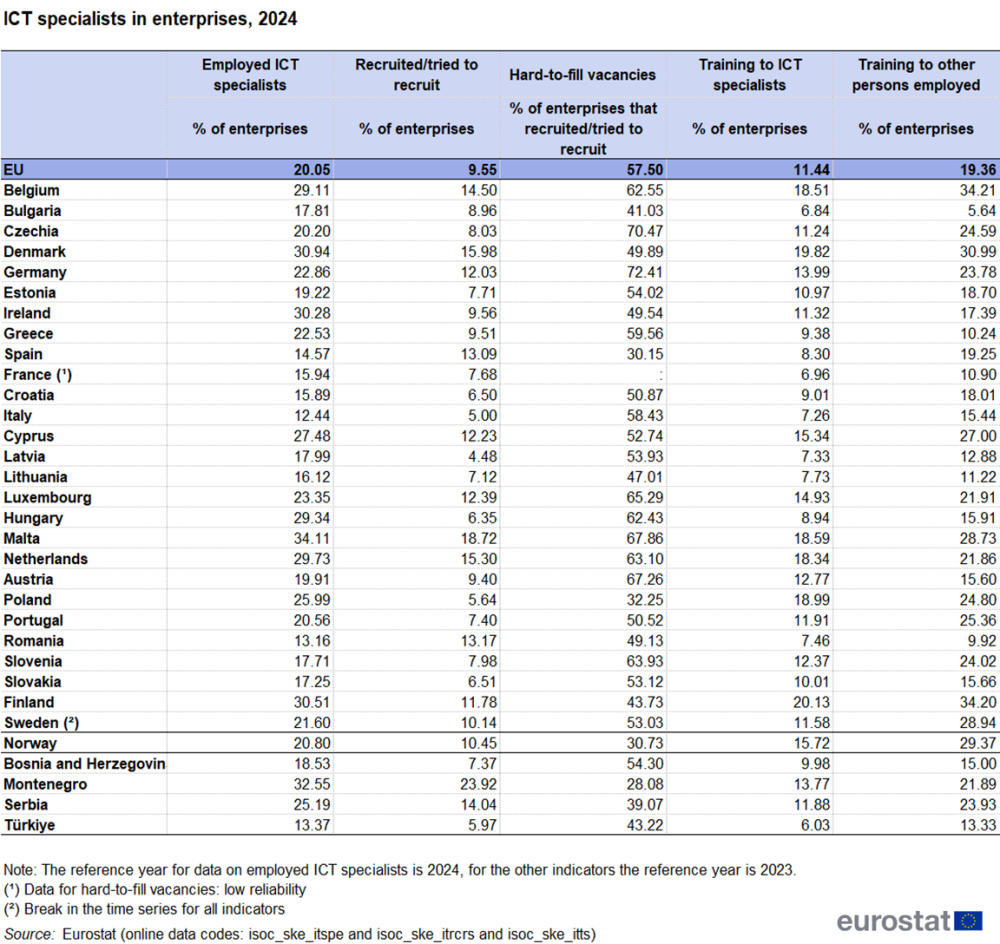
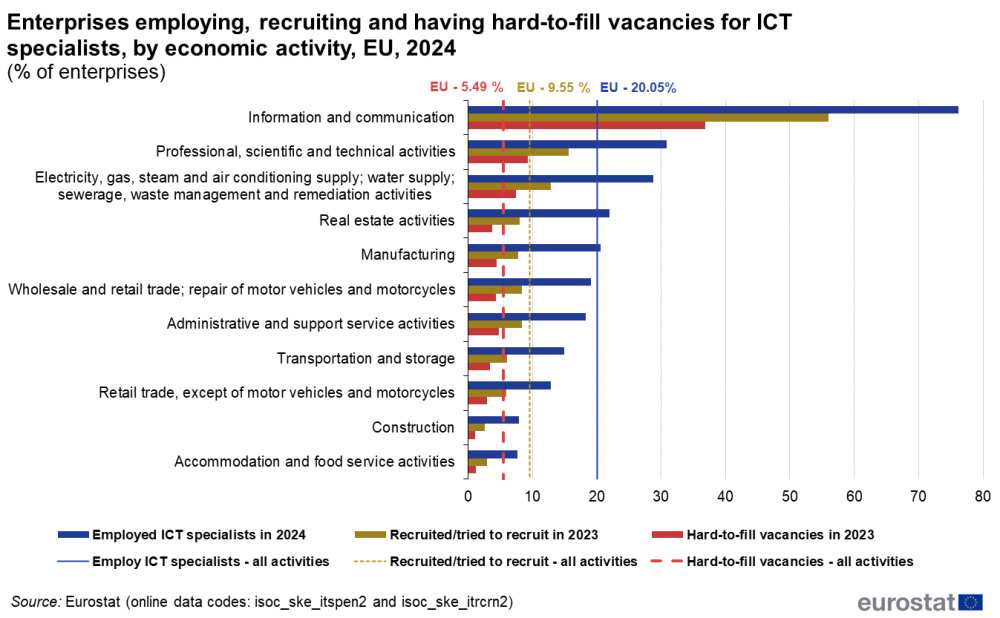
Europe’s tech ecosystem boasts a vibrant and rapidly growing community. However, as demand for tech talent rises, the supply of senior developers has not kept pace, leading to a competitive and challenging hiring environment. Factors such as demographic changes, educational gaps, and the rapid evolution of technology contribute to this shortage. Companies are thus compelled to look beyond traditional hiring strategies to acquire the expertise they need.
Innovative Solution: Hybrid Model
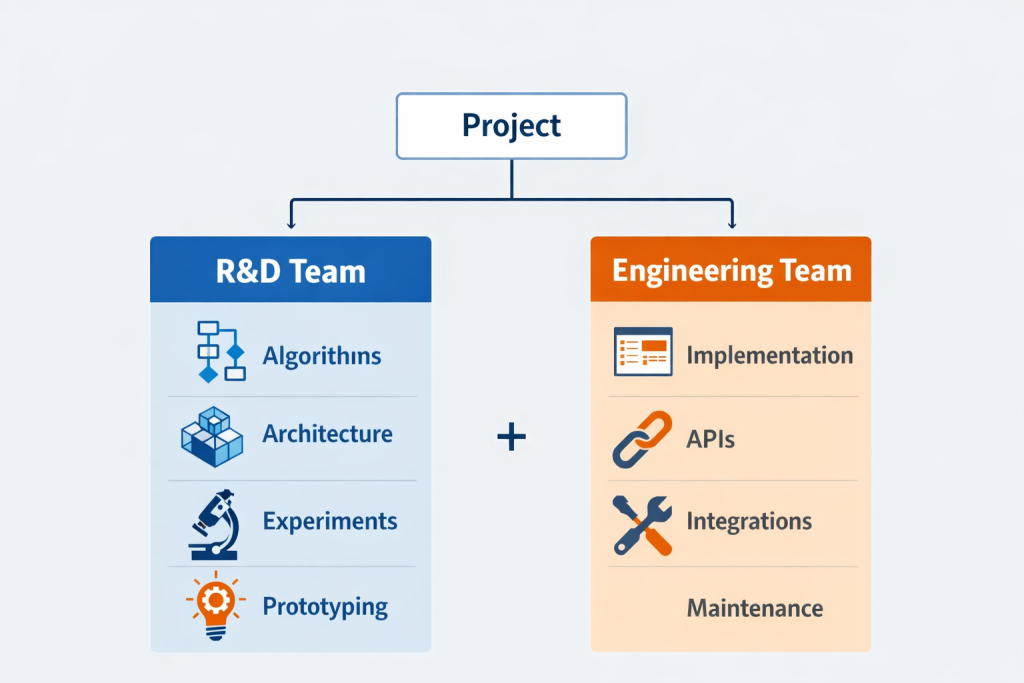
The hybrid model involves the strategic division of tasks between local and remote teams. Local teams are primarily responsible for research and development, as well as the architectural framework of projects. They leverage their proximity to the company’s core operations to align on strategic goals and ensure that innovations meet local market demands. On the other hand, remote teams are tasked with implementation and scaling efforts, bringing global perspectives and added capacity to bear on the project. This geographic distribution allows companies to take advantage of the global talent pool while retaining a focused, localized innovation approach.
Benefits of the Hybrid Model
- Faster Scaling: Working with remote teams allows companies to quickly ramp up their project teams to meet demand without being constrained by local talent shortages. This scalability is crucial for rapid product development and deployment.
- Reduced Development Costs: Remote teams often operate in regions with lower cost of living and operational expenses compared to major European tech hubs. This cost efficiency is a significant advantage for companies looking to maximize their resources.
- Continuous Development Cycles: By leveraging time zone differences, companies can maintain a 24/7 development cycle. This ensures that projects are continuously moving forward, thereby speeding up the overall development process.
Case: Innovation Projects
For innovation projects, the hybrid model can be especially effective. Local teams are able to focus on cutting-edge R&D and architectural design, while remote teams bring these innovations to life with efficient execution and scaling. This arrangement not only fast-tracks the innovation process but also creates a diverse and inclusive approach to problem-solving, integrating insights from different markets and regions. As such, companies can deliver more holistic and globally competitive products.
Related Topic: How Companies Structure Projects to Maximize WBSO
Conclusion
In conclusion, the hybrid model of combining local innovation teams with remote engineering capacity offers a substantial solution to the developer shortage in Europe. By harnessing the strengths of both local and remote teams, companies can achieve faster scaling, cost efficiencies, and maintain a continuous development cycle. This strategic approach is not just a temporary fix but a forward-looking solution that aligns well with global trends in remote work and collaborative innovation. As the tech landscape continues to evolve, those who adapt to this hybrid model stand to navigate the developer shortage successfully while maintaining a competitive edge.
Ricardo Benitez is the Lead Engineer and WBSO-ICT consultant at Hanegraaf Advies. With over 14 years of experience as a software engineer across multiple industries in Europe and Asia, he now focuses on AI systems. His work centers on building custom LLM infrastructures that help organizations transform internal knowledge into practical decision-making tools.